
What Is a Codeshare Flight? Meaning, Operational Complexity, and Why Full Content Coverage Matters

A codeshare flight is a flight sold by one airline but operated by another. The marketing carrier sells the ticket and assigns the flight number, while the operating carrier provides the aircraft, crew, and onboard service.
To the traveler, a codeshare often looks like any other flight. But what happens when they arrive at the airport and discover a different airline is actually operating their flight? Codeshare flights can create operational differences that impact baggage policies, seat selection, loyalty program benefits, and customer service.
For business travel programs, codeshares extend route options and connectivity, but they also introduce complexity that travel managers must understand to ensure compliance, manage spend, and protect travelers.
What are Codeshare Flights?
Codeshare flights occur when two airlines collaborate on a single flight:
- Marketing Carrier: sells tickets and sets the flight number
- Operating Carrier: operates the aircraft and provides service
For example, a traveler might book a flight under Airline A’s flight number, but Airline B operates the plane. Codeshares are usually labeled “Operated by [Airline Name]” during booking. Recognizing the operating carrier helps travelers understand which rules apply for check-in, baggage, and loyalty benefits.
Codeshares are often part of airline alliances such as Star Alliance, oneworld, or SkyTeam, allowing airlines to sell seats on each other’s flights while maintaining separate operations. Alliances also streamline loyalty programs and corporate agreements.
How to Identify a Codeshare Flight
Codeshare flights are usually clearly labeled during the booking process.
Travelers can typically identify them by checking the flight details and looking for phrases such as:
“Operated by [Airline Name]”
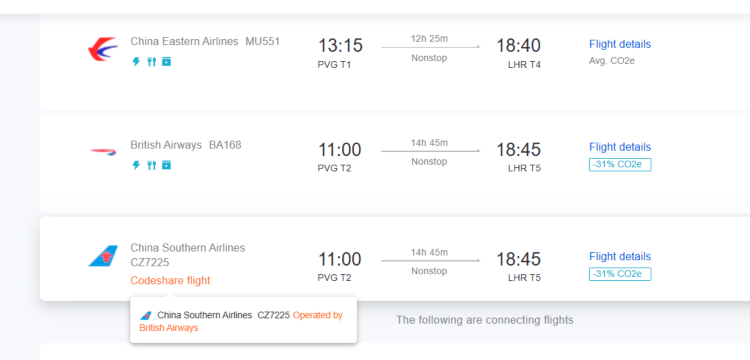
This information is important for both travelers and corporate travel programs because the operating airline may determine:
- Baggage policies
- Check-in procedures
- Seat selection rules
- Loyalty program benefits
- Understanding which airline actually operates the flight helps travelers avoid confusion during the trip.
Why Codeshare Flights Are Controversial?
While codeshares increase route options, they can sometimes create confusion and operational challenges. Travelers may encounter duplicate flight listings, inconsistent policies, and unclear loyalty benefits. Travel managers face difficulties tracking compliance, managing duty-of-care, and allocating spend accurately.
Where Codeshares Complicate Business Travel
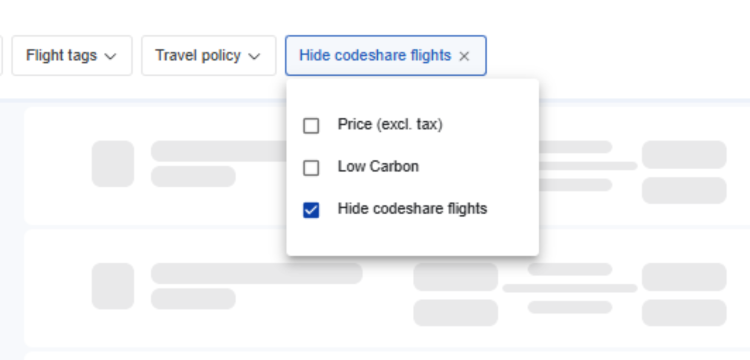
Some corporate booking platforms, including Trip.Biz, offer the option to hide codeshare flights, reducing decision fatigue, supporting preferred carrier policies, and simplifying bookings. At the same time, hiding codeshares can limit route visibility, especially for secondary or less-served destinations.
Why Complete Airline Content Coverage Is Essential?
Even though codeshares can be operationally messy, full content coverage, including codeshare flights, is critical for business travel programs. Without it:
- Travelers may book outside the corporate system, causing policy leakage and reduced visibility.
- Spend data may be inaccurate, complicating supplier negotiations.
- Corporate duty-of-care obligations may be harder to meet.
Full content coverage ensures:
- All route options are visible: Travelers can see both direct and codeshare flights, ensuring access to all destinations.
- Accurate reporting and compliance: Travel managers can track actual operating carriers and enforce policy.
- Optimized travel spend: Comparing fares across marketing and operating carriers supports cost efficiency and supplier negotiations.
Platforms like Trip.Biz aggregate content from multiple sources, including multiple GDS, NDC, direct airline connections, and extensive OTA inventory, reaching sources that traditional players cannot access with single-GDS reliance. This ensures travelers have access to all viable options, while travel managers retain control over policy compliance and spend oversight.
How TMCs Can Help?
Travel Management Companies (TMCs) play a vital role in managing codeshare flights:
- Configurable visibility: TMCs can set platforms to display or hide codeshares according to corporate policy.
- Traveler guidance: Provide clear information about operating carriers, check-in procedures, baggage rules, and loyalty benefits.
- Duty-of-care management: Ensure that operational data, including operating carrier information, is integrated into safety, reporting, and expense systems.
By combining TMC expertise with platforms that offer full content coverage, companies can reduce traveler confusion, enforce policy, optimize spend, and maintain comprehensive oversight.
Key Considerations for Travel Managers
When evaluating business travel platforms, ask:
- Are both marketing and operating carriers clearly visible?
- Can codeshare visibility be configured according to policy?
- Does the platform aggregate content from multiple airline sources?
- Is operating carrier data included in reporting and duty-of-care systems?
Platforms that meet these criteria help ensure transparency, compliance, and efficiency across business travel programs.
Conclusion
Codeshare flights are a common feature of airline networks, offering expanded routes but also introducing operational complexity. For business travel programs, the key challenge is balancing visibility and simplicity.
Complete airline content coverage (including clear identification of marketing and operating carriers) is essential for compliance, traveler satisfaction, and cost management. Platforms like Trip.Biz ONE, combined with reliable travel support and TMC expertise, provide travel managers with the tools to control visibility, enforce policy, optimize spend, and deliver a smoother experience for travelers, even when codeshares add complexity.
In short, understanding and managing codeshare flights is a critical part of running an efficient, compliant, and cost-effective business travel program.
Frequently Asked Questions
On a codeshare flight, which airline's policies do I follow?
In most cases, the operating carrier’s policies apply for check-in, baggage handling, onboard service, and safety procedures. Ticketing and refund rules are usually governed by the marketing carrier that issued the ticket.
Can I select my seat in advance on a codeshare flight?
Often, seat selection must be completed through the operating carrier’s website. Even if the ticket was booked through another airline or corporate booking platform, the seat map is usually controlled by the airline operating the aircraft.
If my codeshare flight is delayed, which airline is responsible for rebooking me?
The operating carrier typically handles immediate airport rebooking and operational issues. However, for broader itinerary changes, refunds, or ticket modifications, the marketing carrier may also need to be involved.


